

Smart glass, particularly electrochromic glazing, has advanced significantly and offers an innovative way to manage solar heat gain and glare in tropical villas on Koh Phangan. This technology dynamically adjusts tint levels in response to sunlight or manual control, balancing openness and expansive views with effective solar control. It is especially valuable in south- and west-facing rooms where solar heat gain is most intense, helping reduce air-conditioning loads that often constitute over half of a villa’s energy consumption.
How Smart Glass Performs in Tropical Island Climates
Electrochromic smart glass incorporates layered coatings—commonly tungsten oxide—laminated within safety glass, providing UV resistance and impact safety. When untinted, it preserves the stunning sea views and lush tropical gardens integral to Koh Phangan villa designs. Proper framing and high-quality sealants ensure resilience against humidity, condensation, and salt air typical of coastal environments.
However, the success of smart glass depends heavily on meticulous installation. Poor sealing or incompatible framing materials can lead to early failure, fogging, or corrosion—issues that are costly and difficult to repair in tropical island settings.
Installation and Design Considerations
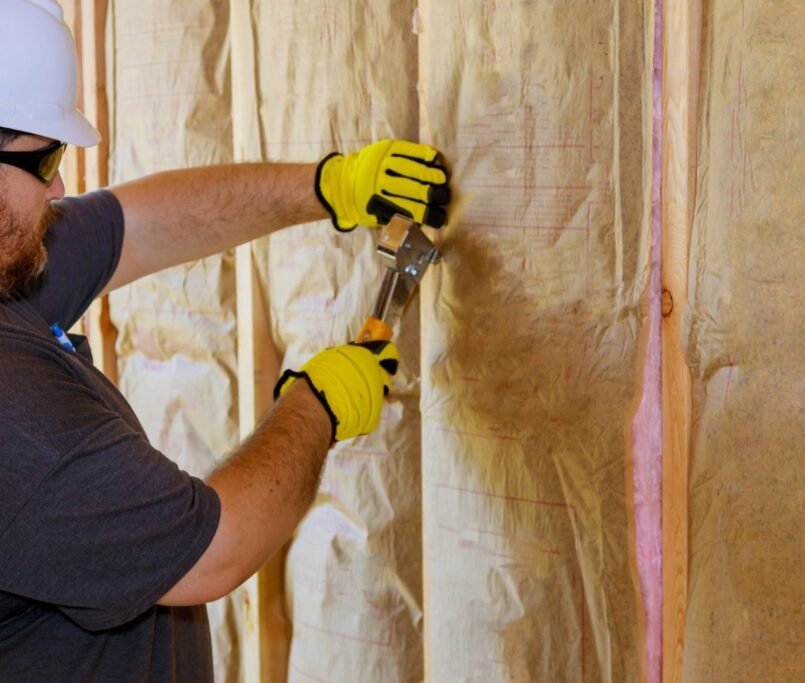
Installing smart glass requires early collaboration among architects, electrical engineers, and glazing contractors. Low-voltage wiring must be concealed during construction, and integration with home automation or manual controls planned from the outset. Retrofitting smart glass into existing villas is generally impractical due to wiring and framing complexities.
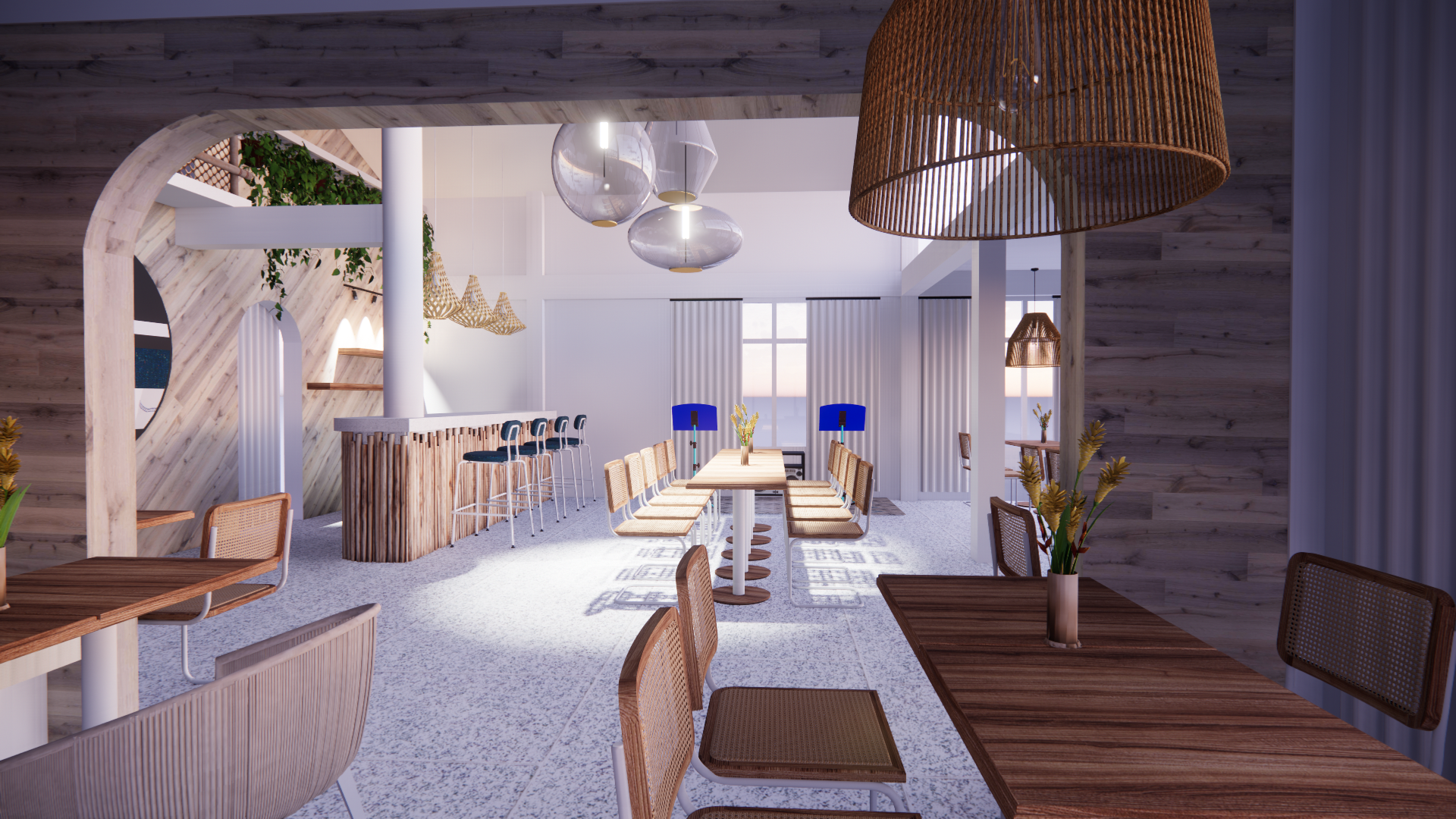
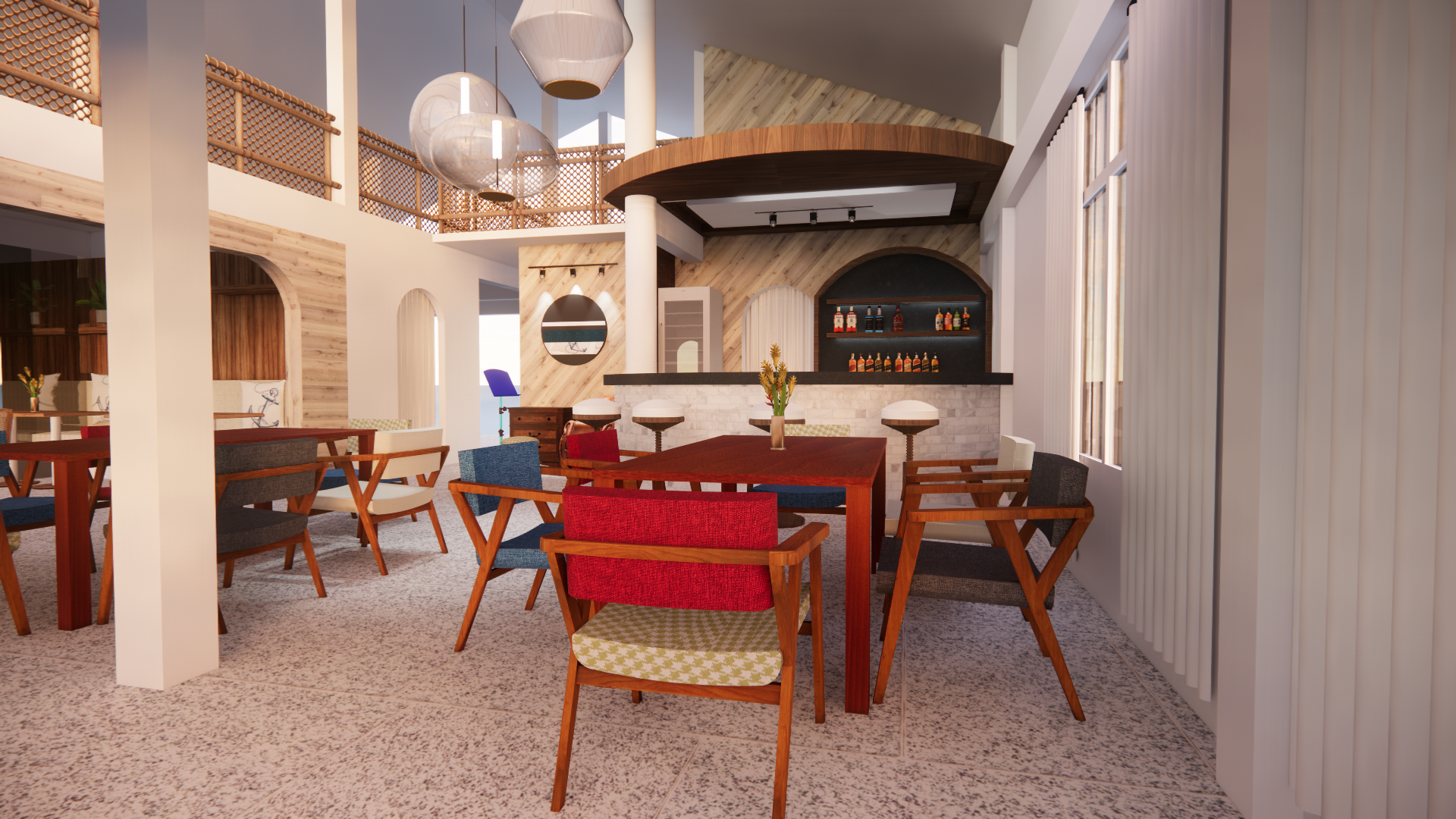
Aesthetically, smart glass complements contemporary villas with large glazed openings and minimalist interiors, reducing the need for blinds or curtains. However, it is not a standalone shading solution. Without complementary architectural features such as roof overhangs, deep window reveals, or exterior louvres, rooms may still overheat during intense afternoon sun.
Pro Tip: Specify panels with a visible light transmission (VLT) range of 10–60% to adapt to Koh Phangan’s variable monsoon light conditions, balancing daylight and solar control.
Comparing Alternatives
- Static tinted glass: Permanently reduces heat and glare but compromises views and daylight when not needed.
- Low-E glass: Reflects solar radiation but lacks dynamic tint adjustment and can reduce clarity.
- Roller blinds or curtains: Affordable but susceptible to mould, fading, and wear in humid tropical climates.
- Exterior louvres: Provide effective shading and ventilation but require regular maintenance due to salt air and moving parts.
Smart glass excels in high-exposure areas such as west-facing façades or double-height atriums but may not be cost-effective for every window. Combining it with passive design strategies—natural ventilation, shading, and insulation—often yields optimal results.
Limitations and Practical Use
Smart glass relies on electrical power; blackouts during monsoon seasons can impair its function unless battery backup systems are included. Selective use—for example, in sea-facing master bedrooms or upper-floor living areas—maximizes benefits while conventional glazing suffices elsewhere.
Maintenance involves annual inspection of seals and electrical connections. In salty coastal areas like Haad Yuan or Thong Nai Pan, marine-grade framing and high-quality silicone sealants are essential to prevent corrosion and prolong lifespan.
Conclusion
Smart glass can significantly enhance comfort and energy efficiency in Koh Phangan villas when thoughtfully integrated. It offers dynamic solar control and aesthetic advantages but performs best alongside well-designed shading, ventilation, and insulation systems. Quality installation and material selection are critical to unlocking its full potential in tropical island environments.
For expert guidance on tropical villa design and construction, explore our blog or contact us to discuss your project. For practical insights tailored to Koh Phangan’s unique climate, visit our sister YouTube channel.