


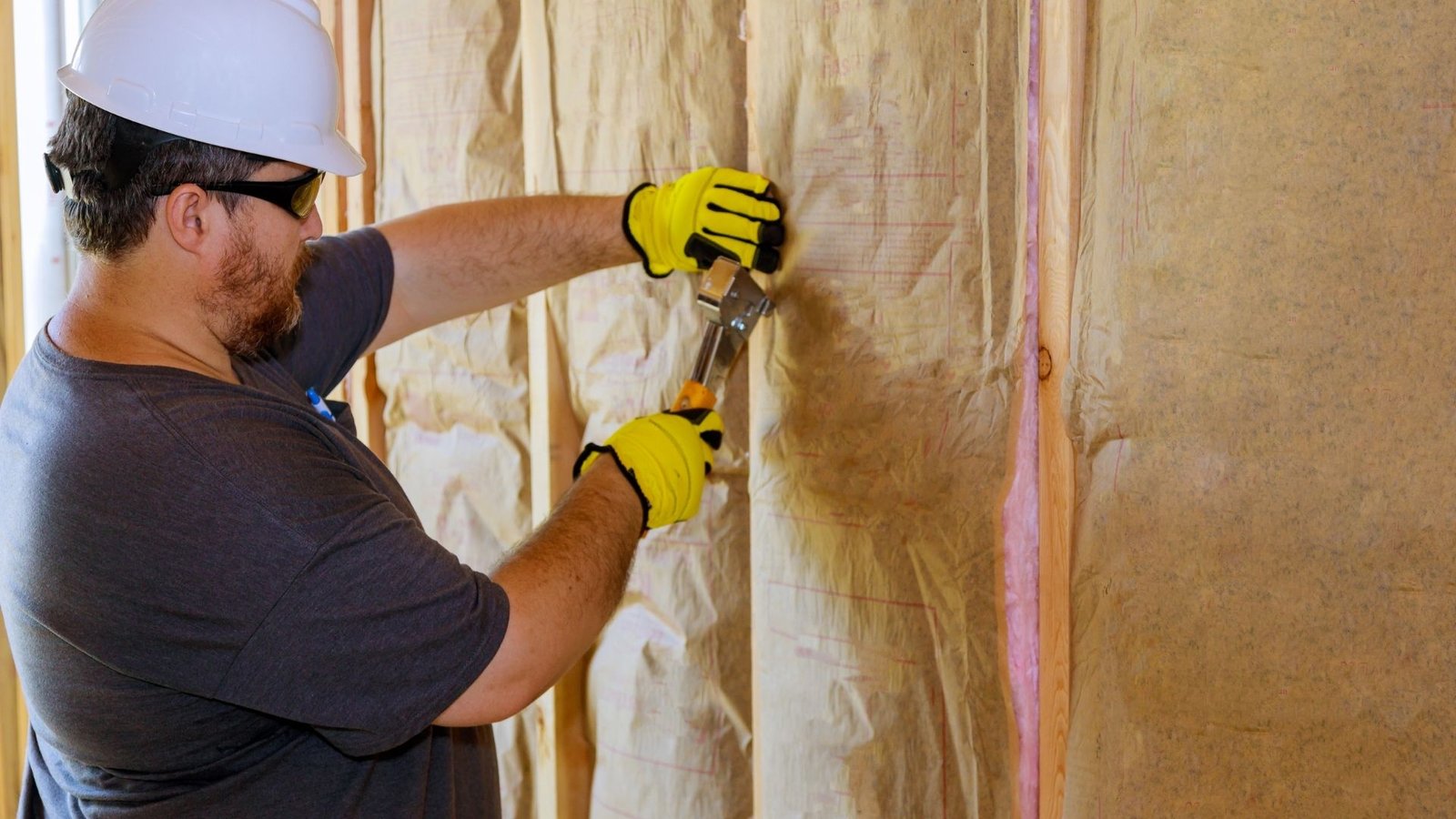
Maintaining comfort and energy efficiency in tropical villas on Koh Phangan requires effective insulation strategies tailored to the island’s hot, humid climate. With average temperatures ranging from 28 to 32°C and humidity often exceeding 80 percent, controlling heat gain is essential to reduce cooling loads and enhance indoor comfort. This article explores the best insulation materials and practices suited to Koh Phangan’s unique environmental conditions, with a focus on glass wool and other effective options.
Why Insulation Is Critical for Koh Phangan Villas
In tropical homes, the majority of heat enters through roofs and walls, significantly increasing air conditioning demand, which can account for over half of a villa’s energy consumption. Insulation with an R-value of 3.5 or higher slows heat transfer, helping interiors stay cooler and reducing electricity costs. Given Koh Phangan’s coastal environment, insulation materials must also resist moisture, mould, and deterioration caused by salty air and high humidity.
Glass wool, or fibreglass batt insulation, is widely used for its balance of thermal performance, fire resistance, and affordability. However, selecting the right material and ensuring precise installation are crucial to avoid moisture-related issues common in tropical climates.
Glass Wool: Performance and Suitability for Koh Phangan
Glass wool consists of spun glass fibres, offering an R-value between 3.0 and 4.0 per 100 mm thickness. It is non-combustible and resists sagging and mould better than many organic alternatives, making it well suited for tropical environments. Typical applications include 100 to 150 mm thickness in roofs (R-value 3.5 to 5.0) and 50 to 75 mm in walls (R-value 1.5 to 2.5), ideally in well-ventilated structures.
Proper installation is vital. Gaps, compression, or poor sealing can reduce insulation effectiveness by up to 30 percent. Vapour barriers such as foil-faced membranes or polyethylene sheets must be installed on the warm interior side to prevent moisture accumulation, particularly in exposed walls and humid interiors.
Comparing Insulation Alternatives for Koh Phangan
| Material | R-Value (per 100 mm) | Cost (THB/m²) | Moisture Resistance | Suitability for Koh Phangan |
|---|---|---|---|---|
| Glass Wool | 3.0 – 4.0 | 90 – 230 | Moderate | Practical, cost-effective, fire-resistant |
| Closed-Cell Spray Foam | 5.5 – 6.5 | 450 – 900 | High | Excellent but expensive |
| Cellulose | 3.5 – 3.8 | 140 – 280 | Low (unless treated) | Eco-friendly but risky in humidity |
| Rigid Foam Boards (XPS) | 4.5 – 5.0 | 360 – 700 | High | Moisture resistant but less flexible |
Glass wool remains a practical and widely used choice for most Koh Phangan villas due to its affordability, fire resistance, and ease of retrofit installation, provided it is well sealed and paired with adequate ventilation.
Best Installation Practices for Koh Phangan’s Climate
Installation quality is as important as material selection. Glass wool batts should fit snugly between rafters without gaps or compression. Seams must be sealed with foil tape to prevent air leaks. Vapour barriers installed on the warm side block humid air ingress, while roof vents facilitate moisture escape.
Walls should incorporate breathable membranes to avoid trapping humidity. Insulation should not obstruct airflow in roof cavities used for air-conditioning or other services. Corrosion-resistant fasteners are recommended in coastal areas, and vapour barriers should be inspected annually.
Installation costs typically range from 180 to 360 THB per square metre, depending on project complexity. Skilled labour is essential to ensure insulation performs as intended.
Pro Tip: Double-layer insulation in roofs (e.g., 75 mm plus 50 mm glass wool) combined with reflective foil can reduce cooling loads by up to 15 percent.
Practical Considerations
Glass wool is ideal for air-conditioned villas but less effective in naturally ventilated homes where airflow primarily controls heat. Installation requires safety gear to prevent skin and respiratory irritation.
For budget-conscious projects, combining glass wool for roofs with thinner XPS insulation in walls can balance cost and thermal performance. Glass wool typically lasts 15 to 20 years if kept dry and is recyclable, supporting sustainable building practices. Regular moisture inspections during the monsoon season are recommended to maintain effectiveness.
Conclusion
Glass wool insulation offers a fire-resistant, cost-effective solution to enhance thermal comfort in Koh Phangan villas. When combined with proper detailing, vapour barriers, and ventilation strategies, it reduces cooling costs and improves indoor living conditions in the island’s tropical climate.
For more expert advice on tropical villa design and materials suited to Koh Phangan, explore our blog or contact us to discuss your project. For practical tips and inspiration, visit our sister YouTube channel.